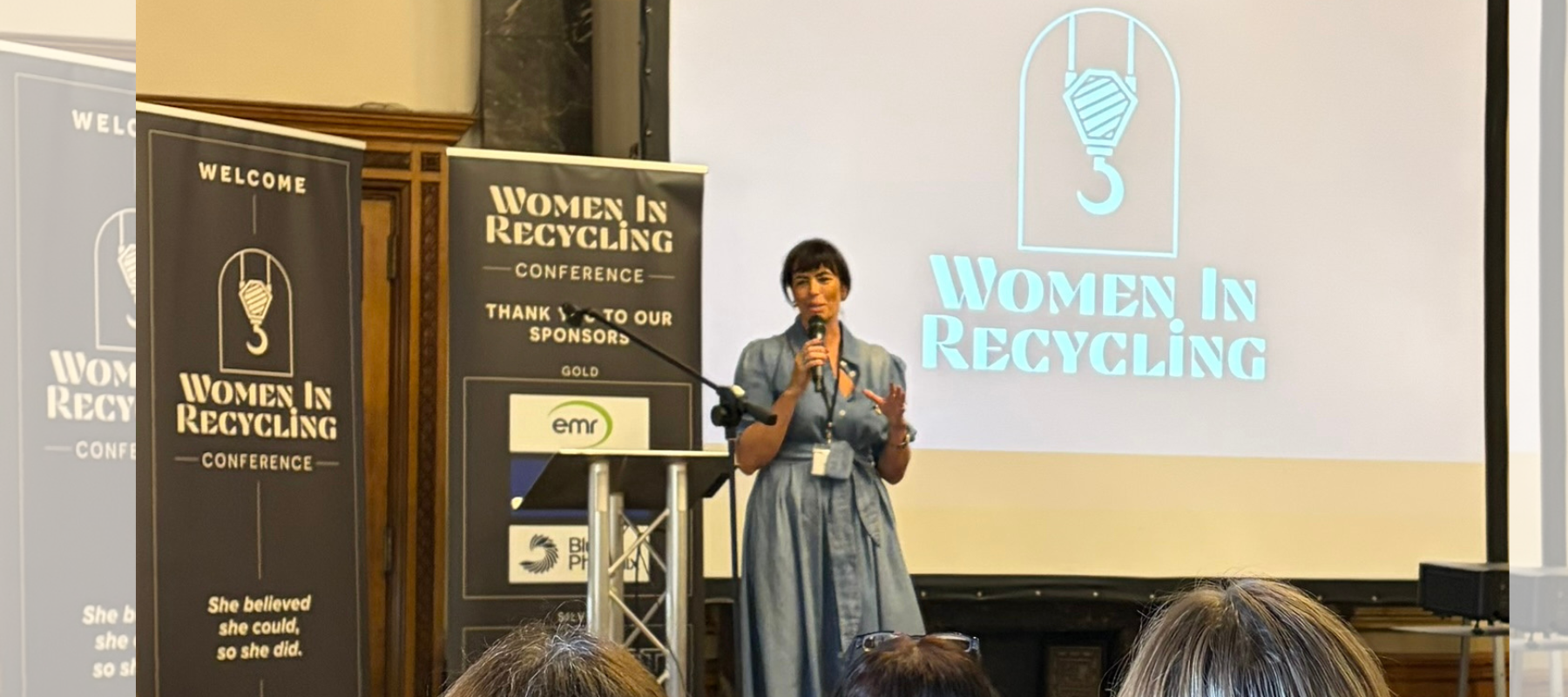



Last month, part of the Marshall Harmony team spent the day at the Women in Recycling event, organised by Amy Bird of Countrywide Metals, held as part of International Women’s Day weekend. It was a chance to step into a room full of people who are deeply connected to the industry they work in, and to listen to conversations that reflect the reality of what that sector is dealing with right now.
It is very easy to talk about industries like recycling from a distance. Headlines tend to focus on targets, policy changes or environmental impact, but they rarely capture what it actually feels like to operate within the sector on a day-to-day basis. Being in the room brought that into focus. The conversations were practical & often quite direct, shaped by people who are dealing with a huge amount of industry pressure right now.
There was also a clear sense of pride in the work being done, even with the demands that come with it. People care about the role they play within the industry and the wider impact it has, but they are also realistic about what it takes to keep things moving
The Challenges Being Faced on the Ground
What became clear throughout the day is that these challenges rarely sit in isolation. Safety, regulation and operational performance are closely linked, and decisions in one area often have consequences in another.
Managing the risk of battery fires is not just a safety issue. It affects processes, training, investment and how facilities are designed and run. Regulation brings structure, but it also requires masses of time, resource, uncertainty and constant attention to remain compliant. At the same time, operations still need to perform. Materials still need to be processed & teams still need to deliver under pressure.
That level of complexity creates an environment where there are no simple fixes. It requires careful decision-making, experienced leadership and teams who understand the importance of consistency and accountability in what they do.
There was no attempt to simplify the situation or present it as something it is not. People were honest about where things are challenging and where improvements are needed. People shared ideas, compared experiences and spoke openly about what is working and what is not.
Where This Connects to the Work We Do
For Marshall Harmony, spending time in environments like this is part of how we work. We support businesses across manufacturing and engineering who are facing similar pressures, from skills shortages through to operational complexity.
Being present in these conversations provides context that cannot be gained from a ‘brief’ on its own. It allows us to understand the environment our clients are working in and the reality behind the roles we are recruiting for. That shapes how we ask questions, how we position opportunities and how we support candidates considering their next move.
It also reinforces the importance of looking beyond technical capability. In sectors like this, mindset and attitude matter just as much. Taking the time to understand that is what allows us to connect the right people to the right environments.
Representation, Community and Industry Progress
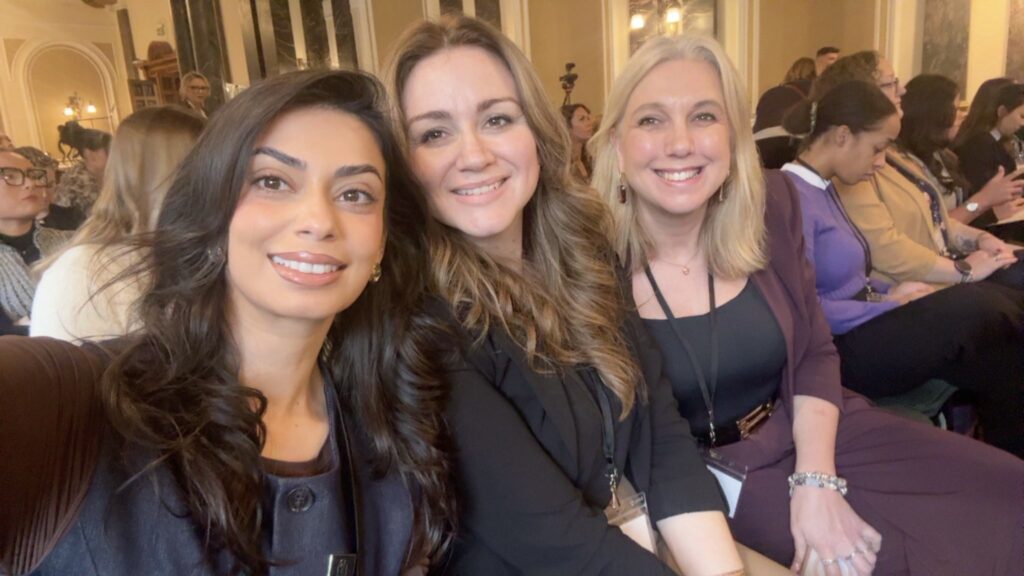
With International Women’s Day taking place that same weekend, the event felt particularly relevant. Bringing people together to share experiences and increase visibility within the sector plays an important role in how industries evolve.
Seeing women leading conversations and contributing to the direction of the industry helps shape how the sector is perceived and how accessible it feels to others considering a career within it.
The day was a reminder that progress comes from facing challenges directly and working through them together. Industries like recycling rely on people who are willing to engage with those challenges and take responsibility for moving things forward.
For Marshall Harmony, attending the Women in Recycling event was about listening, learning and continuing to build a clear understanding of the industries we support & the reality of an industry working hard to move forward.